Support provider or technical partner: what's the difference?
On paper, they can look the same. Both keep your platform running, both fix things when they break, and both send an invoice each month.
But in practice they work very differently, and the difference shows up when it matters most.
A support provider looks after the platform
A good support provider is reliable and responsive. They host and monitor your systems, apply security updates, fix bugs and answer requests when you raise them.
That’s valuable, and for some organisations it’s exactly what’s needed. If your platform is stable and you have someone internal who makes the technology decisions, solid support may be all you need.
The limit is that support is mostly reactive. It responds to what you tell it. It doesn’t usually raise what you haven’t noticed.
A technical partner looks after the direction
A technical partner does everything a support provider does, then goes further. They take an interest in where your organisation is heading and what your technology needs to do to get you there.
That means:
Planning ahead. Regular sessions to look at what's coming, not just what's broken.
Advice you can act on. Clear recommendations on upgrades, risks and opportunities, including AI and automation.
Coordination. Working with your other suppliers so the whole picture fits together.
Continuous improvement. Steady, practical improvements to the platform over time.
Senior involvement. Access to experienced technical leadership when decisions carry weight.
Put simply, support keeps things working today. A technical partner helps make sure they keep working, and keep improving, tomorrow.
A few ways to tell which one you have
Ask yourself:
- 1.Does your provider contact you before something goes wrong, or only after?
- 2.Do you get regular advice on what to do next?
- 3.Does anyone look at your systems as a whole, not just one part?
- 4.Could you call them to talk through a big decision?
- 5.Do they understand your organisation's goals, not just your website?
If most of those are a no, you probably have support, not a partnership.

Which one do you need?
Neither is better in every situation. It depends on how much your organisation relies on technology and how much guidance you have in house.
If your platform is stable and someone internal already makes the decisions, support may be enough.
If technology is becoming critical to how you operate, and you don't have a technology lead, a technical partner is usually the better fit.
If you need more hands and ongoing delivery, a Digital Team as a Service gives you experienced capability without hiring.
The good news is you don’t have to guess. You can start at the level that suits you today and scale up as your needs grow.
What this looks like in practice
The Commonwealth Club didn’t need a traditional support provider. They needed ongoing technical leadership and proactive improvement. Aryal became an extension of their organisation, and they now benefit from an experienced partner who helps them strengthen their digital capability over time.
Where to start
If you’re not sure where you sit, a short conversation can help. We’ll talk through what you have today and what would genuinely help.
Related

What a technical partner actually does each month
See what a technical partner does each month, from monitoring and security updates to planning sessions and senior advice.
Learn more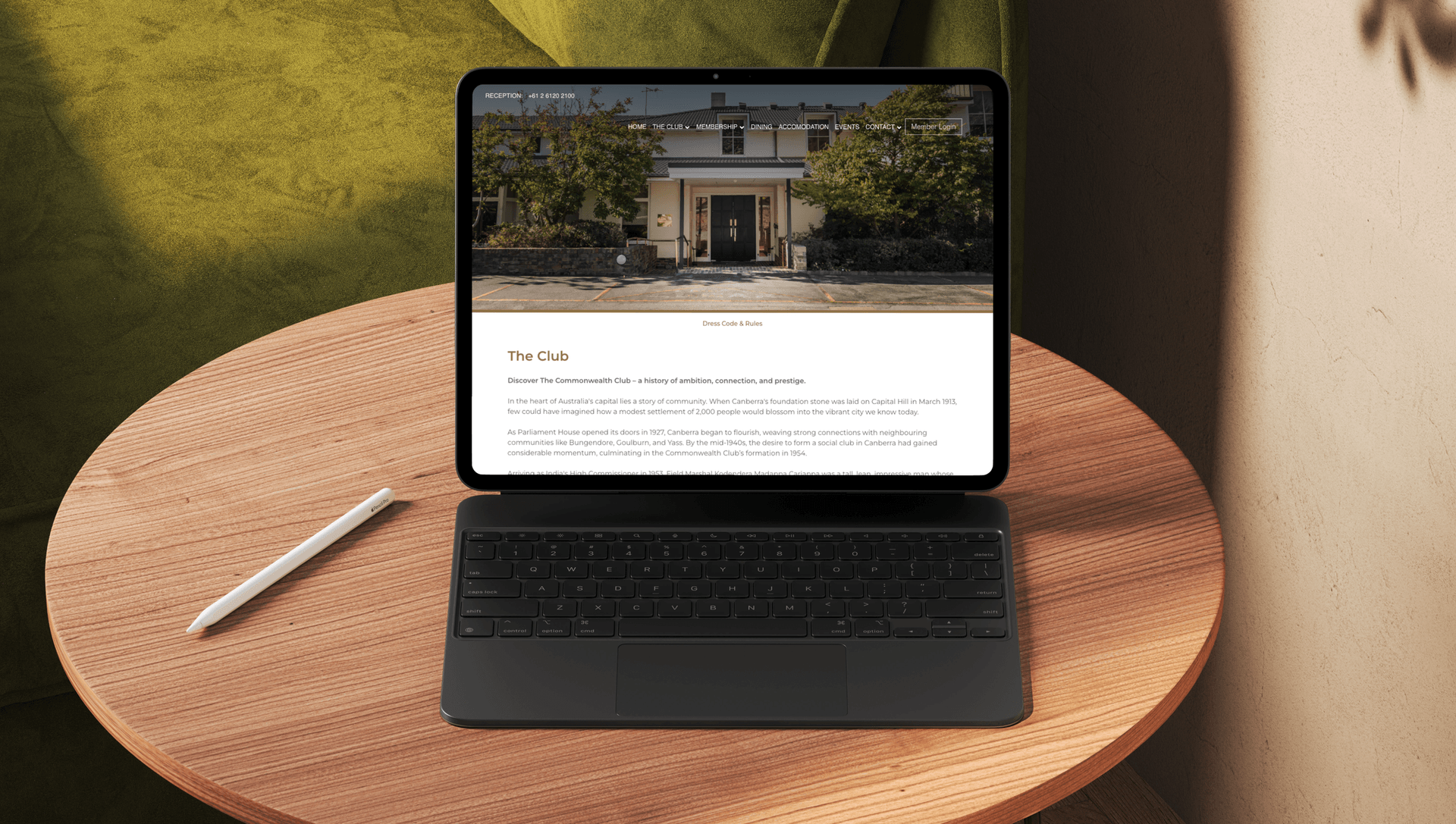
How to stop coordinating five suppliers on your own
Too many technology suppliers create hidden work. Learn what good coordination looks like.
Learn more
Do you need a developer, or a digital team?
One developer or a wider digital team? Learn what each does well and how to decide.
Learn more